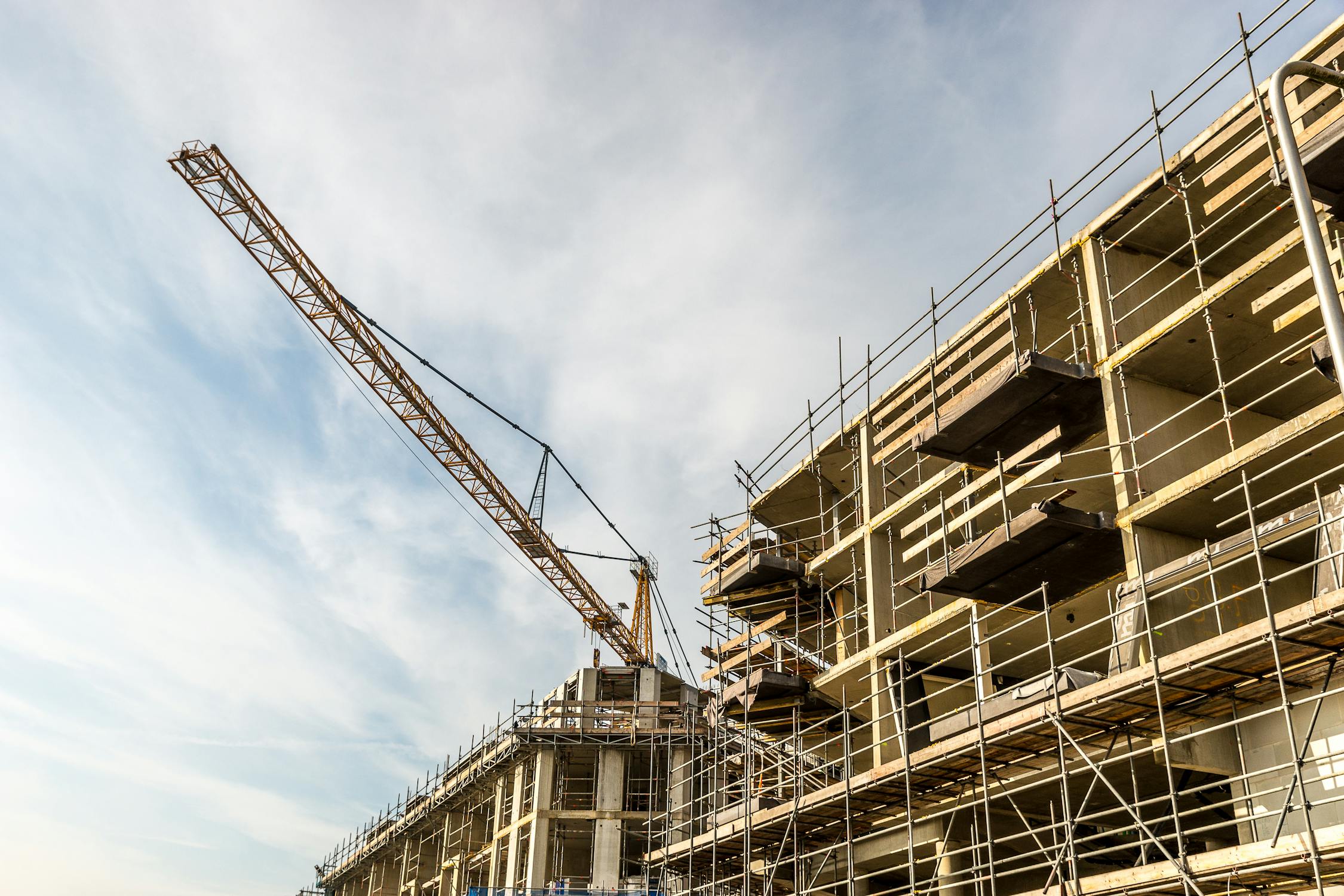
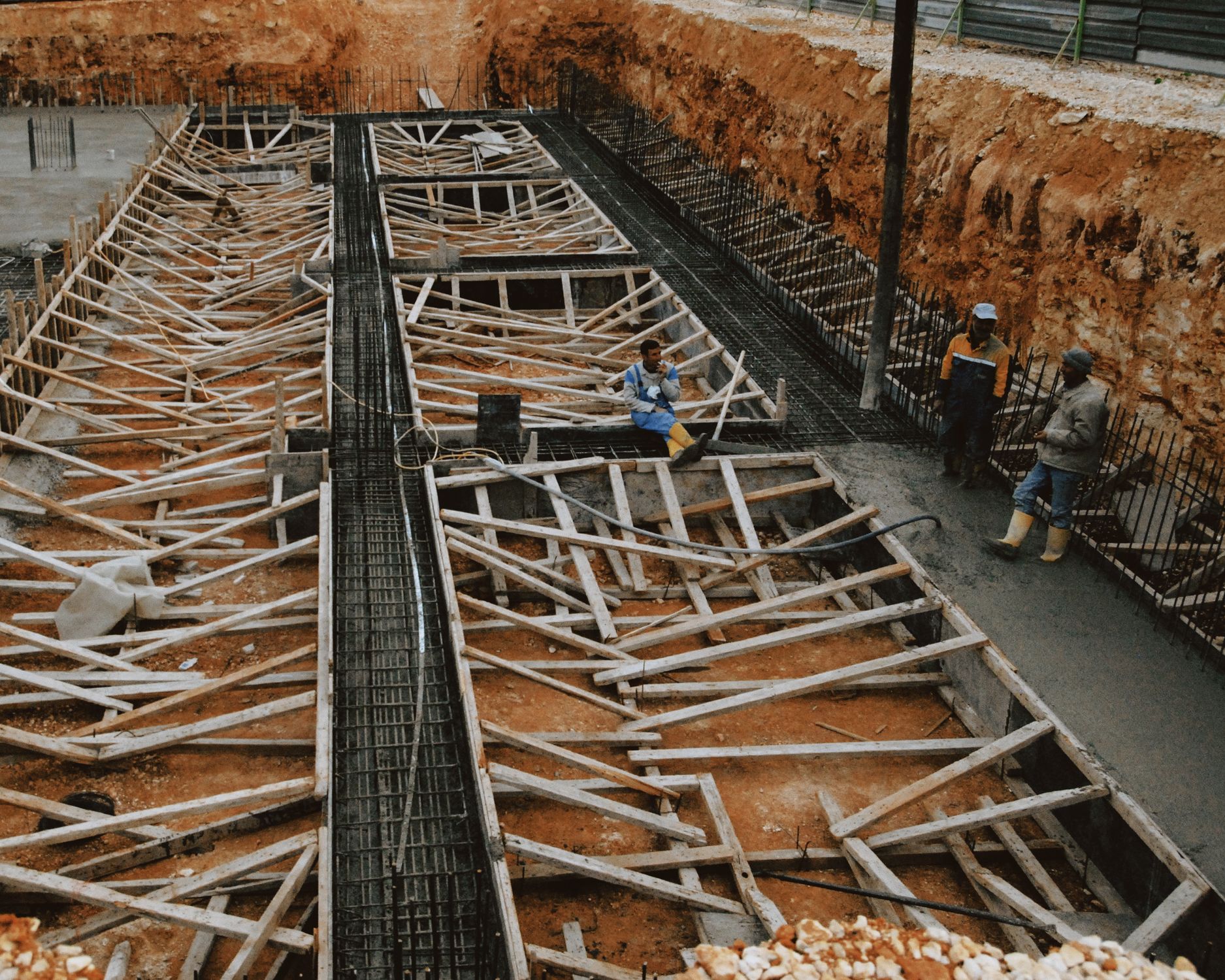
Formwork is the temporary or permanent mould used to hold wet concrete in place until it sets and gains enough strength to support itself. Every concrete slab, wall, column, beam, and footing on a construction site starts inside a formwork structure. Without it, there is no way to control the shape, position, or finish of poured concrete.
How formwork works
At its most basic, formwork creates a contained space into which concrete is poured. The formwork holds the concrete in position, supports its weight, and resists the lateral pressure of wet concrete pushing outward. That pressure is significant: fresh concrete exerts around 24 kN/m² per metre of height, which is why formwork engineering is not optional on anything above a ground slab.
Once the concrete cures to the required strength (typically tested at 7 and 28 days), the formwork is stripped and either reused on the next pour or dismantled. On a multi-storey building, the same set of forms can cycle through every floor if the system is designed for it.
Formwork systems range from simple timber boards nailed together on site to precision-engineered aluminium and steel panels that can be assembled and stripped in hours. The choice depends on the complexity of the structure, the number of times the forms will be reused, the required surface finish, and the programme.
Why formwork matters
It controls cost
Formwork is one of the largest single cost items in a concrete structure, often accounting for 35 to 60 percent of the total concrete package cost. That makes it the single biggest lever a builder has for controlling structural costs. Efficient formwork design reduces the number of pours, shortens the programme, and cuts labour hours. An experienced formwork contractor will plan the system around the project rather than the other way around.
On a typical 6-storey residential build in Sydney, the difference between a well-planned formwork cycle and a poorly planned one can be 4 to 8 weeks of programme time, translating to hundreds of thousands of dollars in holding costs.
It keeps projects on programme
The formwork cycle (set up, pour, cure, strip) directly sets the pace of a concrete build. If the formwork team can turn a floor in four days instead of six, that saving compounds over every level of a multi-storey structure. On a 10-storey tower, shaving two days per floor saves 20 working days. Weather-resistant systems and well-planned sequences protect the programme from delays.
It determines the finish
The quality of the concrete surface you see on a finished building is a direct result of the formwork it was poured against. Tight joints, clean panels, and properly applied release agents produce smooth, consistent surfaces. Poor formwork produces honeycombing, blowouts, and misaligned edges that require expensive remediation. For off-form concrete (exposed architectural finishes), formwork quality is everything.
It protects people on site
Formwork temporarily carries the full weight of wet concrete, reinforcing steel, workers, and equipment. A suspended slab formwork system can support loads exceeding several tonnes per square metre. In Australia, SafeWork regulations require formwork to be designed and certified by a competent person, and inspected before every pour. Properly engineered formwork is a safety-critical system.
It reduces long-term structural issues
Concrete that is poured into well-built formwork cures in the correct shape, at the correct dimensions, with the correct cover to reinforcement. This means fewer defects, less lifetime maintenance, and lower risk of cracking, spalling, or water ingress over the building's lifespan. The National Construction Code (NCC) specifies minimum concrete cover requirements, and formwork is what maintains those tolerances during the pour.
Materials used in formwork
Formwork systems are built from a range of materials, each suited to different applications:
- Timber: the most common material for residential and small commercial work. Flexible, easy to cut on site, and economical for one-off shapes. Shorter lifespan than engineered systems.
- Plywood: resin-bonded sheets attached to timber or steel frames. Provides a smoother finish than raw timber and can be reused across multiple pours.
- Steel: durable, reusable panels that produce consistent finishes. Suited to large commercial and civil projects where the same shape is repeated many times.
- Aluminium: lighter than steel with similar reuse characteristics. Popular for residential slab systems where speed of assembly and stripping is critical.
- Plastic and fibreglass: lightweight, reusable systems for repetitive housing and simple structures. Lower cost per use over high volumes.
Getting formwork right
The quality of a formwork job comes down to two things: the system design and the people who install it. A well-chosen system in the hands of an experienced team delivers clean pours, tight programmes, and safe working platforms. At CNS Formgroup, we have over 40 years of experience selecting, designing, and installing formwork systems across residential, commercial, and education projects in Sydney.
If you are planning a project that involves concrete structure, the formwork contractor you choose will have a direct impact on cost, programme, and finish quality. Talk to us about your next build.