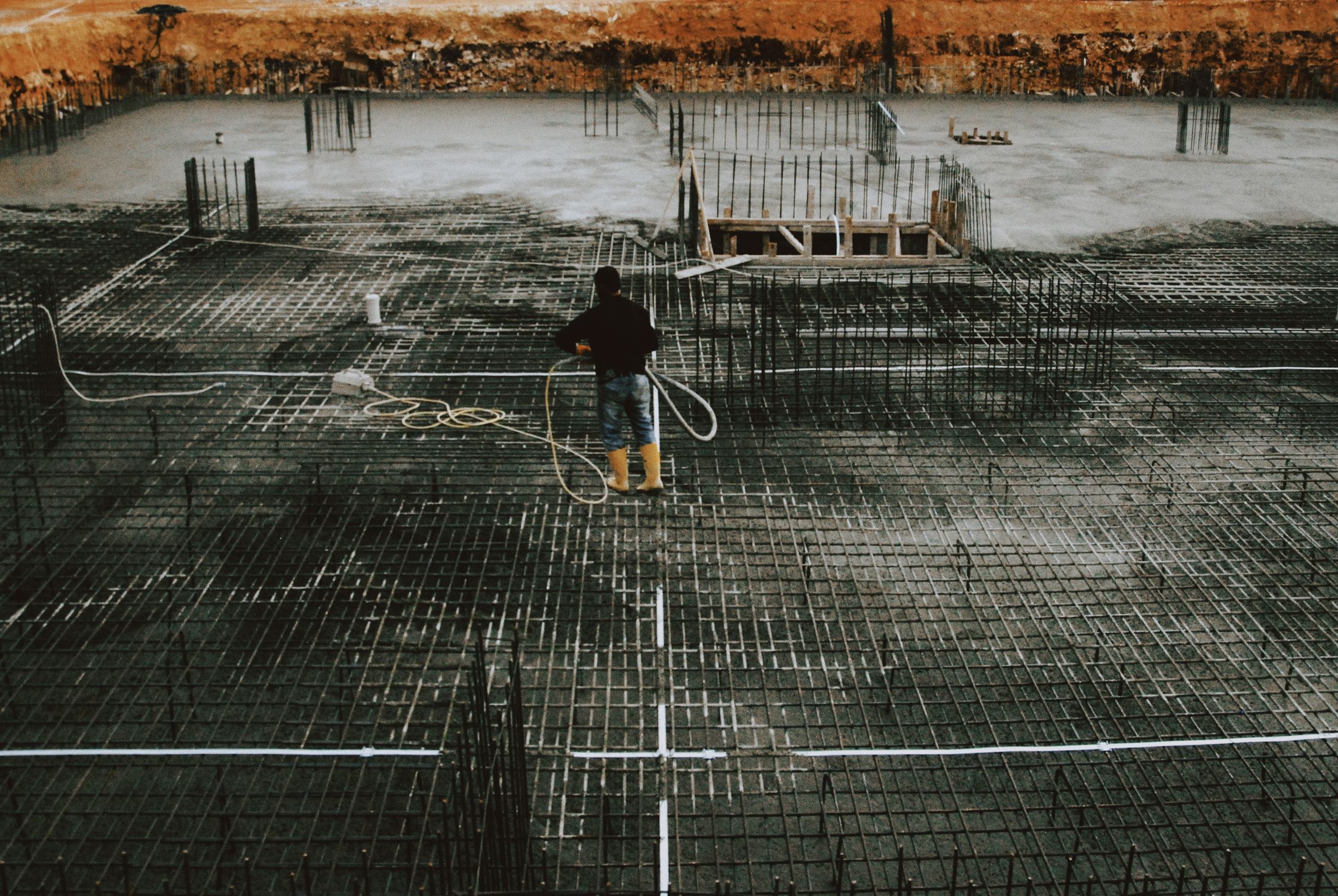
A formworker is a skilled construction tradesperson who builds, installs, and dismantles the temporary structures (formwork) that hold poured concrete in the correct shape until it cures. They work alongside steel fixers and concreters to deliver the structural skeleton of a building. In Australia, formwork is classified as a high-risk construction activity, and formworkers are among the most in-demand trades on any concrete job.
What does a formworker do?
The day-to-day work of a formworker covers a wide range of tasks, all centred on preparing for and managing concrete pours:
- Read and interpret structural and architectural drawings to determine formwork requirements
- Measure, cut, and assemble formwork panels from timber, plywood, steel, or aluminium
- Set out formwork to precise dimensions using survey equipment and string lines
- Install bracing, props, and shoring to support the formwork under load
- Apply release agents to form surfaces so concrete does not bond to them
- Position and secure formwork for walls, columns, beams, slabs, stairs, and footings
- Coordinate with steel fixers to allow reinforcement placement before closing forms
- Check alignment, level, and plumb immediately before a pour
- Strip formwork after concrete has reached the required strength
- Clean, repair, and stack forms for reuse on the next pour cycle
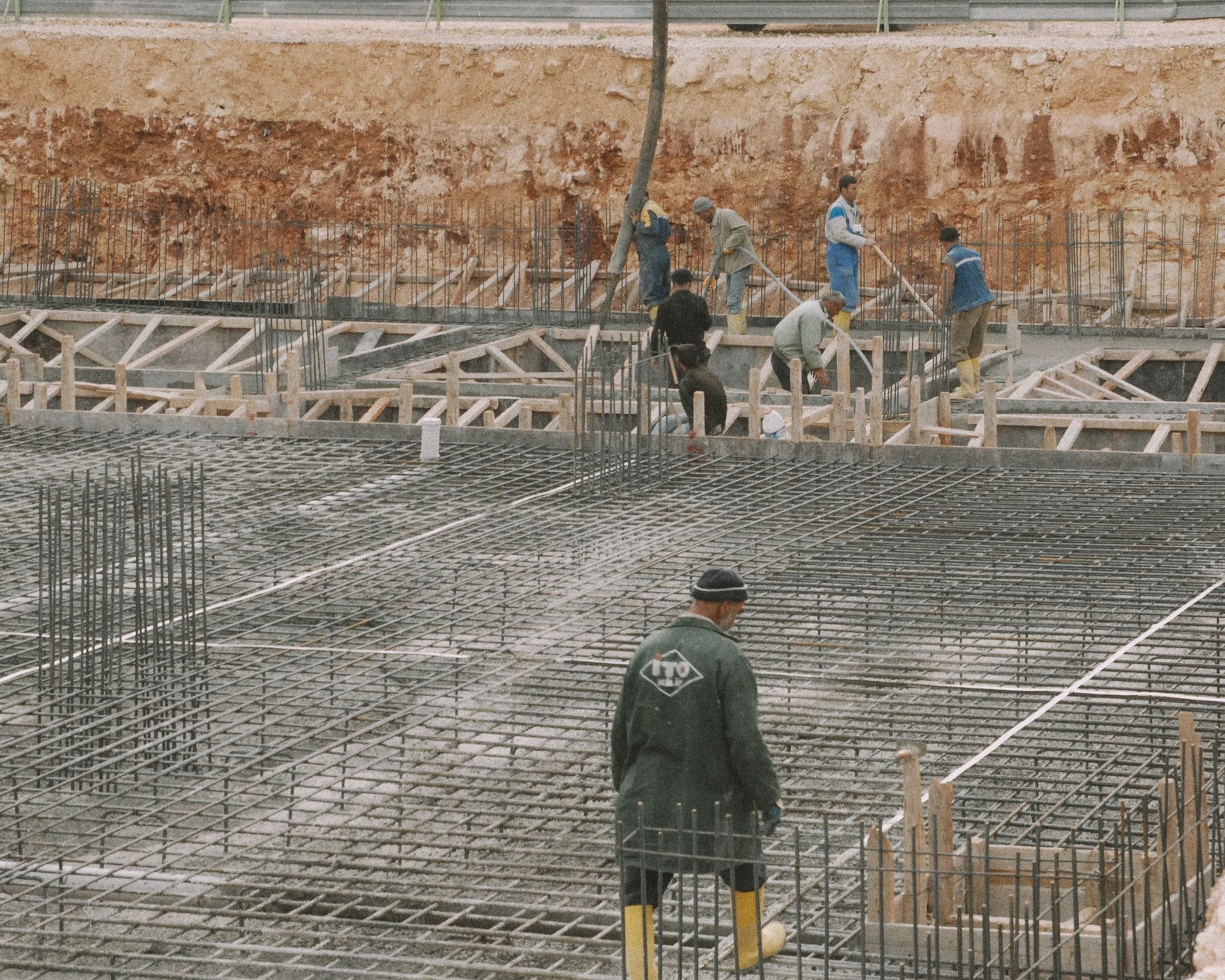
Why formworkers are essential
Structural accuracy
Concrete takes the shape of whatever it is poured into. If the formwork is 10 millimetres out of position, the finished wall or slab is 10 millimetres out of position. Australian Standards (AS 3610) specify construction tolerances as tight as ±5mm for some elements. Formworkers ensure every element is set to the correct line, level, and dimensions before concrete arrives on site. There is no fixing it after the pour.
A formworker on a suspended slab pour is responsible for setting and checking every prop, bearer, and joist. A single missed brace on a 200m² slab could mean supporting several hundred tonnes of wet concrete with inadequate shoring.
Site safety
Formwork systems carry significant loads: the weight of wet concrete, reinforcement, workers, and equipment. A suspended slab formwork system can support several tonnes per square metre. Formworkers are responsible for assembling these systems correctly and ensuring every prop, brace, and connection is in place. A failure in formwork is a structural collapse, and the consequences are serious.
Programme speed
The formwork cycle sets the pace of every concrete build. How quickly the team can set up, pour, and strip determines the floor-to-floor cycle time on a multi-storey project. Experienced formworkers who know their system can shave days off each cycle, and those savings compound over the life of the build.
Surface finish quality
The finish on a concrete wall or soffit is determined by the condition of the formwork it was poured against. Clean panels, tight joints, and proper release agents produce smooth, consistent surfaces. The formworker's attention to detail during setup directly controls the quality of the finished product.
The formwork process on a typical project
- Review drawings: the formwork team studies structural plans and determines the sequence, system type, and materials required for each element.
- Site preparation: the ground or previous slab is surveyed and marked out. Any excavation or levelling is completed before formwork begins.
- Formwork assembly: panels, frames, and props are set to position. Bracing is installed. Edges are sealed to prevent grout loss during the pour.
- Steel reinforcement: once the formwork is in place, steel fixers install reinforcing bars and mesh. The formworker coordinates to ensure adequate concrete cover is maintained.
- Pre-pour check: the team inspects formwork for alignment, bracing, cleanliness, and readiness. Any issues are corrected before concrete arrives.
- Concrete pour: concrete is placed, vibrated, and finished while the formwork holds it in position.
- Curing and stripping: after the concrete reaches the specified strength (tested at 7 and 28 days), the formwork is stripped, cleaned, and prepared for the next cycle.
Becoming a formworker in Australia
Formworking is typically entered through a Certificate III in Carpentry (CPC30220) or a dedicated formwork apprenticeship. In NSW, formworkers must hold a General Construction Induction Card (White Card) and may require additional high-risk work licences for tasks like rigging or working at heights. The apprenticeship takes 3 to 4 years and combines on-the-job training with TAFE coursework.
Experienced formworkers in Sydney earn above-average construction wages, reflecting the skill level, physical demands, and safety responsibility of the role. Senior formworkers who can read drawings, plan sequences, and run a crew are consistently in short supply across the industry.
Working with CNS Formgroup
Our formwork teams have been working on Sydney construction sites for over 40 years. From residential raft slabs to multi-storey commercial structures, our people know how to read the job, plan the sequence, and deliver clean, on-time results. If you need a formwork team for your next project, get in touch.